
We Shall Not Be Moved: The Jackson Woolworth’s Sit-In and the Movement It Inspired

Chapter 2: Some People in the Photograph
Excerpt: Joan Trumpauer’s Mississippi Prison Experience

Once the original cadre of NAG members had left for the Freedom Rides, Trumpauer closed up shop and joined them. By that point, the riders had moved on from Alabama and were being arrested en masse in Jackson, Mississippi. Trumpauer and her group hatched a new strategy. Rather than taking a bus, they were flown to New Orleans—where the original rides were to have ended—and then took the train to Jackson, integrating another public interstate transportation facility in the process. Trumpauer and her retinue, which included the activist Stokely Carmichael, entered Mississippi on June 8, 1961. Newsreel footage documents her first few steps in the state. She walks with an integrated group of young women, moving rather quickly through the Jackson train station, down the stairs and into the lobby of the whites-only section, where she and her friends were whisked off in a paddy wagon to the Hinds County Courthouse a few blocks away in downtown Jackson. She looks calm, unfazed, as if out for a picnic with friends—laughing, smiling, joking—showing little comprehension that she has just entered a war zone.

Nor were the authorities quite ready for someone like Trumpauer—long strawberry blonde hair, light complexion, petite, and speaking with a charming southern drawl. As she stepped down from the paddy wagon, a white policeman extended his hand to her, a courtesy he did not offer to the black women: “I guess he lost it,” Trumpauer recalled, “and said something like, ‘Let me help you down, little lady.’” Even in such strained circumstances, some southern customs held steadfast.
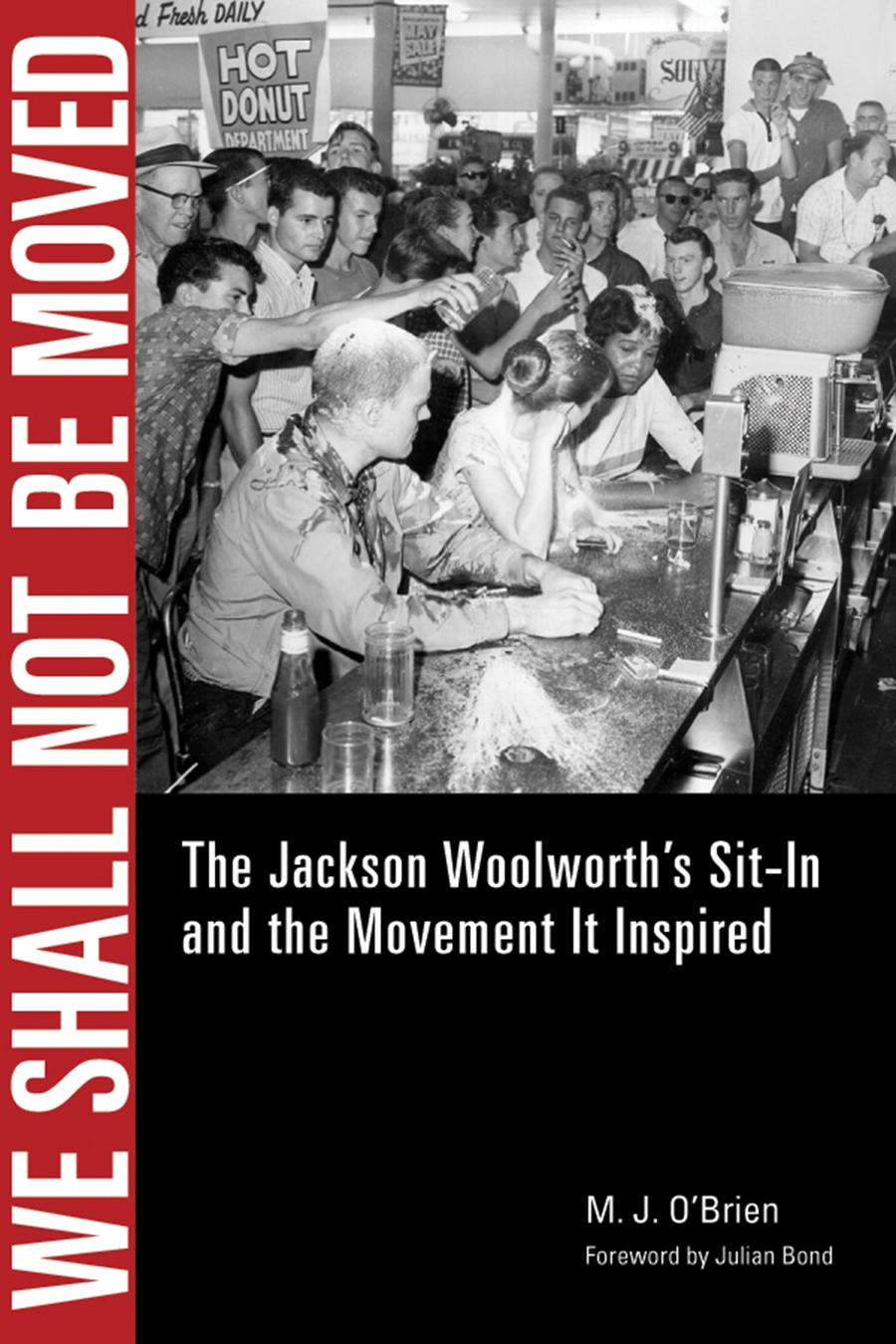
After their arrest, Trumpauer and the others were charged with breach of the peace. At their trial the next day, they were found guilty and sentenced to four months in jail (with two months suspended) and fined two hundred dollars. As part of the Gandhian strategy, Trumpauer was determined not to get bailed out but to serve out her entire jail sentence. She thus was one of the few Freedom Riders whom CORE did not bail out after thirty-nine days—the maximum allowable time in jail if an appeal were going to be filed.

Interestingly, Trumpauer kept a diary during her two weeks at the Hinds County Jail, prior to being moved to the more secure and more remote state penitentiary. She wrote on five small sheets of stationery, which she kept crumpled up and hidden in the hem of her skirt. The group was separated by race at the jail, and the document demonstrates both her deep spirituality and her intense—at times, humorous—identification with the southern blacks rather than the northern whites with whom she was locked up. “The food is plain, but better than some campuses,” she wryly commented. “I think all of the girls here are gems, but I feel most in common with the Negro girls + wish I was locked with them instead of these atheist Yankees—particularly when they sing. They’re trying to be nice, but as they jokingly said, I’m ‘square.’ By the time I get out I’ll know how a minority feels.”

Her diary ends abruptly on June 23, the day her group was moved to the legendary Parchman penitentiary in the Mississippi Delta. Conditions at Parchman were much harsher than they had been in Jackson. Officials had literally cleared out death row to make room for the Freedom Riders, and the women were made to wear standard prison attire—black and white striped skirts and shirts—rather than their own clothing. Although the white women’s block was less crowded than at the Hinds County Jail, there was no way to send messages back and forth between the men and women prisoners as there had been in Jackson. In addition, the white women were held far away from the black women, whereas in Jackson they had been in adjoining cell blocks. The prisoners were also kept guessing about their status and that of their friends in other parts of the penal compound. “You felt really isolated,” Trumpauer remembered, “and you felt that they could do anything they wanted.”

We Shall Not Be Moved: The Jackson Woolworth’s Sit-In and the Movement It Inspired

Chapter 2: Some People in the Photograph
Excerpt: Joan Trumpauer’s Mississippi Prison Experience

Once the original cadre of NAG members had left for the Freedom Rides, Trumpauer closed up shop and joined them. By that point, the riders had moved on from Alabama and were being arrested en masse in Jackson, Mississippi. Trumpauer and her group hatched a new strategy. Rather than taking a bus, they were flown to New Orleans—where the original rides were to have ended—and then took the train to Jackson, integrating another public interstate transportation facility in the process. Trumpauer and her retinue, which included the activist Stokely Carmichael, entered Mississippi on June 8, 1961. Newsreel footage documents her first few steps in the state. She walks with an integrated group of young women, moving rather quickly through the Jackson train station, down the stairs and into the lobby of the whites-only section, where she and her friends were whisked off in a paddy wagon to the Hinds County Courthouse a few blocks away in downtown Jackson. She looks calm, unfazed, as if out for a picnic with friends—laughing, smiling, joking—showing little comprehension that she has just entered a war zone.

Nor were the authorities quite ready for someone like Trumpauer—long strawberry blonde hair, light complexion, petite, and speaking with a charming southern drawl. As she stepped down from the paddy wagon, a white policeman extended his hand to her, a courtesy he did not offer to the black women: “I guess he lost it,” Trumpauer recalled, “and said something like, ‘Let me help you down, little lady.’” Even in such strained circumstances, some southern customs held steadfast.

After their arrest, Trumpauer and the others were charged with breach of the peace. At their trial the next day, they were found guilty and sentenced to four months in jail (with two months suspended) and fined two hundred dollars. As part of the Gandhian strategy, Trumpauer was determined not to get bailed out but to serve out her entire jail sentence. She thus was one of the few Freedom Riders whom CORE did not bail out after thirty-nine days—the maximum allowable time in jail if an appeal were going to be filed.

Interestingly, Trumpauer kept a diary during her two weeks at the Hinds County Jail, prior to being moved to the more secure and more remote state penitentiary. She wrote on five small sheets of stationery, which she kept crumpled up and hidden in the hem of her skirt. The group was separated by race at the jail, and the document demonstrates both her deep spirituality and her intense—at times, humorous—identification with the southern blacks rather than the northern whites with whom she was locked up. “The food is plain, but better than some campuses,” she wryly commented. “I think all of the girls here are gems, but I feel most in common with the Negro girls + wish I was locked with them instead of these atheist Yankees—particularly when they sing. They’re trying to be nice, but as they jokingly said, I’m ‘square.’ By the time I get out I’ll know how a minority feels.”

Her diary ends abruptly on June 23, the day her group was moved to the legendary Parchman penitentiary in the Mississippi Delta. Conditions at Parchman were much harsher than they had been in Jackson. Officials had literally cleared out death row to make room for the Freedom Riders, and the women were made to wear standard prison attire—black and white striped skirts and shirts—rather than their own clothing. Although the white women’s block was less crowded than at the Hinds County Jail, there was no way to send messages back and forth between the men and women prisoners as there had been in Jackson. In addition, the white women were held far away from the black women, whereas in Jackson they had been in adjoining cell blocks. The prisoners were also kept guessing about their status and that of their friends in other parts of the penal compound. “You felt really isolated,” Trumpauer remembered, “and you felt that they could do anything they wanted.”