
We Shall Not Be Moved: The Jackson Woolworth’s Sit-In and the Movement It Inspired

Chapter 4: Others at the Scene
Excerpt: The Police – Captain John Lee Ray

Captain Ray himself was a native of Mississippi and had grown up in Jackson; he even graduated from Central High School in 1937. Ray joined the Jackson police force in 1941, then quickly joined the navy when the U.S. entered World War II. After serving three years, Ray was honorably discharged and was back on the beat, working in a squad car and eventually covering and getting to know every nook and cranny of the city of Jackson. Known for his hard work and dedication, Ray earned only about a hundred dollars a month and worked twelve-hour shifts, seven days a week. Until serious illness struck in 1965, Ray never missed a day of work. Thanks in large part to that kind of commitment to his job, Ray was put on the fast track to the upper echelon of the force, first making desk sergeant in 1950, then lieutenant two years later. In 1956 he was promoted to captain, a managerial position that oversaw the day-to-day duties of some of the uniformed policemen.

Ray came to national prominence during the Freedom Rides, and it was largely his strategy and leadership that kept the kinds of violent outbursts that occurred in Alabama from happening in Mississippi during this period. Ray’s concept was simple: enforce the law. If Freedom Riders were breaking the law—even if that law was under dispute—arrest them. It was, thus, thanks to John Lee Ray that more than a thousand Freedom Riders, including Joan Trumpauer and George Raymond, ended up in Mississippi jails in 1961. In appreciation for his adept handling of the Freedom Ride situation, the city of Jackson promoted Ray to a newly created position of deputy chief of police. From this position of prominence, Ray would oversee all of the uniformed police on the Jackson force and would also be on hand for nearly every significant demonstration in Jackson during the next six years.
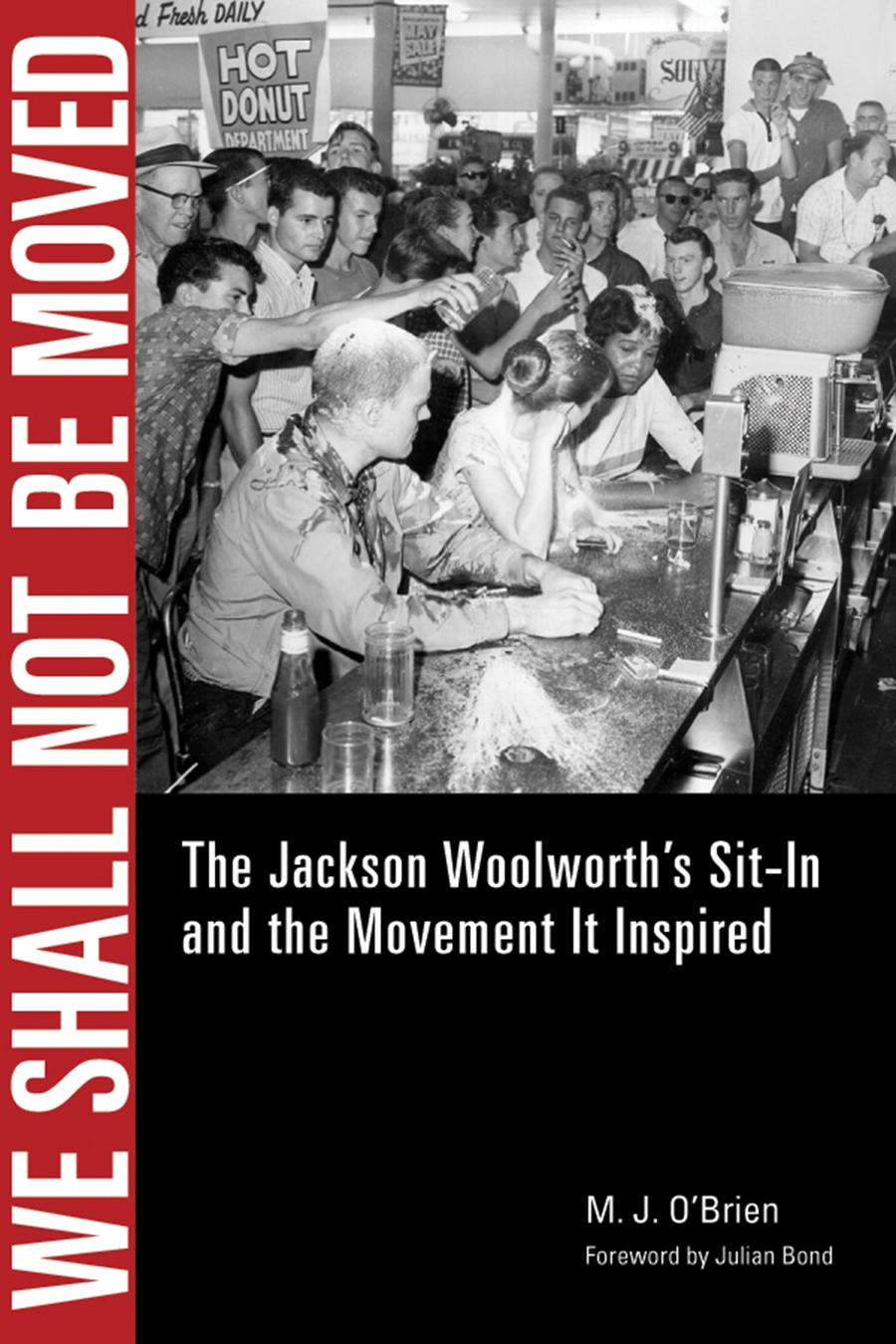
We Shall Not Be Moved: The Jackson Woolworth’s Sit-In and the Movement It Inspired

Chapter 4: Others at the Scene
Excerpt: The Police – Captain John Lee Ray

Captain Ray himself was a native of Mississippi and had grown up in Jackson; he even graduated from Central High School in 1937. Ray joined the Jackson police force in 1941, then quickly joined the navy when the U.S. entered World War II. After serving three years, Ray was honorably discharged and was back on the beat, working in a squad car and eventually covering and getting to know every nook and cranny of the city of Jackson. Known for his hard work and dedication, Ray earned only about a hundred dollars a month and worked twelve-hour shifts, seven days a week. Until serious illness struck in 1965, Ray never missed a day of work. Thanks in large part to that kind of commitment to his job, Ray was put on the fast track to the upper echelon of the force, first making desk sergeant in 1950, then lieutenant two years later. In 1956 he was promoted to captain, a managerial position that oversaw the day-to-day duties of some of the uniformed policemen.

Ray came to national prominence during the Freedom Rides, and it was largely his strategy and leadership that kept the kinds of violent outbursts that occurred in Alabama from happening in Mississippi during this period. Ray’s concept was simple: enforce the law. If Freedom Riders were breaking the law—even if that law was under dispute—arrest them. It was, thus, thanks to John Lee Ray that more than a thousand Freedom Riders, including Joan Trumpauer and George Raymond, ended up in Mississippi jails in 1961. In appreciation for his adept handling of the Freedom Ride situation, the city of Jackson promoted Ray to a newly created position of deputy chief of police. From this position of prominence, Ray would oversee all of the uniformed police on the Jackson force and would also be on hand for nearly every significant demonstration in Jackson during the next six years.